
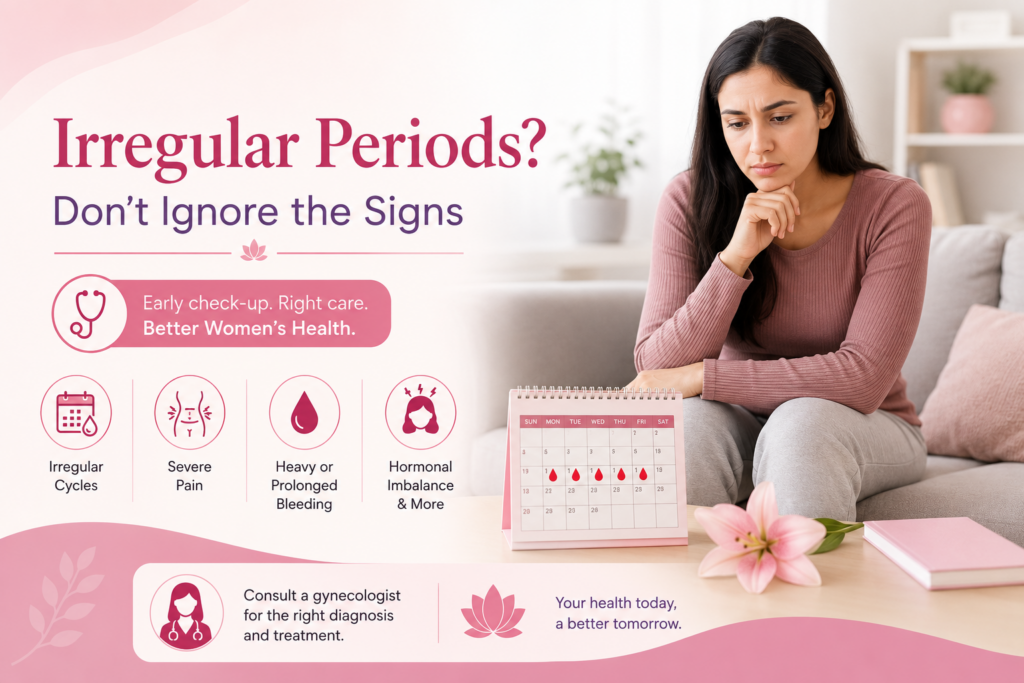
Menstrual cycles are an important indicator of a woman’s overall health. While it is normal for periods to vary slightly from month to month, frequent irregularities should never be ignored. Changes in your menstrual cycle may indicate hormonal imbalances, lifestyle factors, thyroid disorders, PCOS, or other underlying gynecological conditions that require medical attention.
If your periods have become unpredictable, unusually heavy, very painful, or have stopped altogether, consulting an experienced Gynecologist in Hadapsar can help identify the underlying cause and ensure timely treatment.
What Are Irregular Periods?
A normal menstrual cycle usually occurs every 21 to 35 days. Your cycle may be considered irregular if:
- Periods arrive earlier or much later than expected.
- You skip periods frequently.
- Bleeding lasts longer than 7 days.
- You experience unusually heavy bleeding.
- There is spotting between periods.
- Your cycle changes significantly from month to month.
Occasional irregularity may not always be a concern, but repeated changes deserve medical evaluation.
Common Causes of Irregular Periods
Many different factors can affect your menstrual cycle.
Hormonal Imbalance
Hormones regulate ovulation and menstruation. Any imbalance may cause delayed, missed, or irregular periods.
PCOS (Polycystic Ovary Syndrome)
One of the most common causes of irregular periods is PCOS. Women with PCOS may also experience:
- Weight gain
- Acne
- Excess facial hair
- Difficulty conceiving
- Irregular ovulation
Seeking timely PCOS and PCOD Treatment in Hadapsar can help regulate menstrual cycles and improve overall reproductive health.
Thyroid Disorders
Both hypothyroidism and hyperthyroidism can interfere with the menstrual cycle and affect fertility if left untreated.
Stress
Emotional stress, lack of sleep, anxiety, and major life changes can temporarily affect hormone levels and delay periods.
Sudden Weight Changes
Rapid weight loss, obesity, or excessive exercise may disrupt ovulation and lead to irregular cycles.
Pregnancy
Missing a period may sometimes be the earliest sign of pregnancy. If your period is delayed and you are sexually active, take a pregnancy test and consult your doctor.
Perimenopause
Women approaching menopause may naturally notice irregular menstrual cycles as hormone levels begin to change.
When Should You See a Doctor?
You should consult a Gynecologist in Hadapsar if you notice any of the following:
- No periods for more than 3 months
- Extremely heavy bleeding
- Severe menstrual pain
- Bleeding between periods
- Bleeding after menopause
- Cycles shorter than 21 days
- Cycles longer than 35 days
- Difficulty planning pregnancy
- Repeated missed periods
- Irregular periods associated with excessive weight gain or acne
Early diagnosis can prevent complications and improve treatment outcomes.
Can Irregular Periods Affect Fertility?
Yes. In many women, irregular periods are associated with irregular ovulation, making it more difficult to conceive naturally.
Conditions such as PCOS, thyroid disorders, premature ovarian insufficiency, and hormonal imbalances may affect fertility. Fortunately, many of these conditions respond well to timely treatment.
Women planning pregnancy should not delay consultation if menstrual irregularities continue for several months.
How Are Irregular Periods Diagnosed?
Your doctor may recommend:
- Medical history evaluation
- Physical examination
- Pelvic examination
- Hormone blood tests
- Thyroid function tests
- Ultrasound scan
- Pregnancy test (if needed)
These investigations help determine the exact cause of menstrual irregularities.
Treatment Depends on the Cause
Treatment is personalized according to the underlying condition.
Options may include:
- Lifestyle modifications
- Weight management
- Hormonal medications
- Thyroid treatment
- PCOS management
- Nutritional guidance
- Ovulation management for women planning pregnancy
Women requiring PCOS and PCOD Treatment in Hadapsar often benefit from a combination of medication, healthy eating, regular exercise, and ongoing monitoring.
Lifestyle Tips to Support a Healthy Menstrual Cycle
Simple lifestyle changes can improve menstrual health.
Maintain a Healthy Weight
Balanced nutrition and regular physical activity help regulate hormones.
Exercise Regularly
Moderate exercise supports healthy ovulation and reduces stress.
Eat a Balanced Diet
Include:
- Fresh fruits
- Green vegetables
- Whole grains
- Protein-rich foods
- Iron-rich foods
Manage Stress
Yoga, meditation, deep breathing, and adequate sleep may help maintain hormonal balance.
Avoid Self-Medication
Do not take hormonal tablets without consulting a qualified gynecologist.
Don’t Ignore These Warning Signs
Seek immediate medical advice if you experience:
- Very heavy bleeding requiring frequent pad changes
- Severe pelvic pain
- Fainting or dizziness
- Persistent bleeding between periods
- Sudden absence of periods
- Positive pregnancy test with bleeding
Prompt medical attention can help identify serious conditions early.
Regular Gynecological Check-ups Matter
Many women ignore menstrual irregularities, assuming they will resolve on their own. However, regular health check-ups can help detect conditions like PCOS, thyroid disorders, fibroids, endometriosis, and hormonal imbalances before they become more serious.
Consulting an experienced Gynecologist in Hadapsar ensures timely diagnosis, appropriate investigations, and personalized treatment based on your health needs.
Final Thoughts
Irregular periods are common, but they should never be ignored when they become frequent or are accompanied by other symptoms. Understanding the cause early can help prevent complications and improve your overall reproductive health.
Whether your irregular periods are related to hormonal imbalance, thyroid disorders, or you require PCOS and PCOD Treatment in Hadapsar, seeking timely medical advice is the first step toward better health. An experienced Gynecologist in Hadapsar can help identify the underlying cause and guide you toward the most appropriate treatment so you can regain confidence in your menstrual and reproductive health.
