
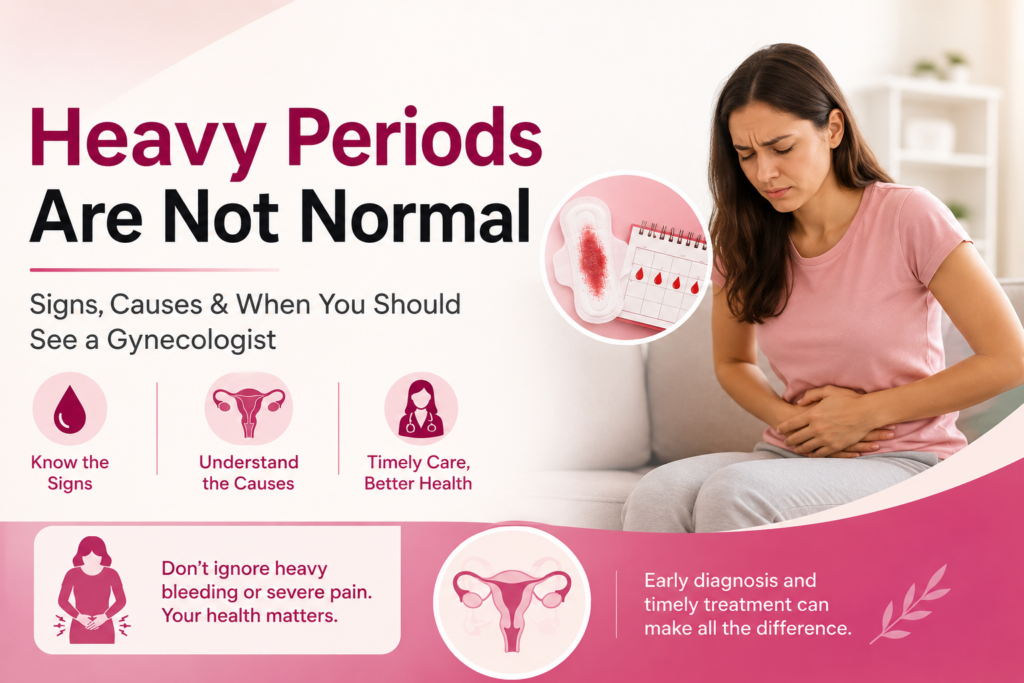
Many women believe that having heavy periods is simply something they have to live with. They often ignore excessive bleeding, severe cramps, or prolonged periods, assuming it is a normal part of menstruation. However, heavy menstrual bleeding is not normal and may indicate an underlying gynecological condition that requires medical attention.
Ignoring heavy periods can lead to anemia, fatigue, hormonal imbalances, and reduced quality of life. The good news is that with timely diagnosis and the right treatment, most causes of heavy periods can be managed effectively.
If your periods are consistently heavy or affecting your daily routine, consulting an experienced Gynecologist in Hadapsar can help identify the underlying cause and provide the right treatment.
What Is Considered a Heavy Period?
A normal menstrual period usually lasts between 3 and 7 days. Heavy menstrual bleeding, also known as menorrhagia, occurs when the amount or duration of bleeding is more than normal.
You may have heavy periods if you:
- Soak one or more sanitary pads every hour for several consecutive hours.
- Need to change pads during the night.
- Pass large blood clots.
- Bleed for more than seven days.
- Feel weak, dizzy, or tired during your periods.
- Find it difficult to continue your daily activities because of excessive bleeding.
If you experience these symptoms regularly, it is important to consult a Gynecologist in Hadapsar rather than ignoring them.
Common Causes of Heavy Periods
Heavy menstrual bleeding can occur due to several medical conditions.
Hormonal Imbalance
Hormones regulate the menstrual cycle. When estrogen and progesterone are not balanced, the lining of the uterus may become thicker than usual, leading to heavy bleeding.
PCOS (Polycystic Ovary Syndrome)
Women with PCOS often experience irregular periods followed by unusually heavy bleeding.
Other symptoms may include:
- Irregular menstrual cycles
- Acne
- Weight gain
- Excess facial hair
- Difficulty conceiving
Seeking timely PCOS and PCOD Treatment in Hadapsar can help regulate hormone levels, improve menstrual cycles, and reduce excessive bleeding.
Uterine Fibroids
Fibroids are non-cancerous growths in the uterus that commonly cause:
- Heavy bleeding
- Pelvic pressure
- Painful periods
- Frequent urination
The treatment depends on the size, location, and symptoms.
Adenomyosis
This condition occurs when the inner lining of the uterus grows into the muscular wall, causing heavy and painful periods.
Endometrial Polyps
Small growths inside the uterus may also contribute to excessive menstrual bleeding and irregular spotting.
Thyroid Disorders
Both hypothyroidism and hyperthyroidism can affect hormone balance and lead to abnormal menstrual bleeding.
Bleeding Disorders
Certain blood clotting disorders may also cause unusually heavy menstrual flow.
Symptoms That Should Never Be Ignored
Besides heavy bleeding, seek medical advice if you notice:
- Severe menstrual cramps
- Bleeding lasting longer than one week
- Passing large blood clots
- Bleeding between periods
- Bleeding after menopause
- Fatigue and weakness
- Shortness of breath
- Dizziness during periods
These symptoms should always be evaluated by a qualified Gynecologist in Hadapsar.
Can Heavy Periods Lead to Anemia?
Yes.
Excessive blood loss over several months may reduce the body’s iron levels, resulting in iron-deficiency anemia.
Common symptoms include:
- Constant tiredness
- Weakness
- Pale skin
- Dizziness
- Headaches
- Breathlessness
Treating the underlying cause of heavy bleeding is essential to prevent long-term health complications.
How Is Heavy Menstrual Bleeding Diagnosed?
Your doctor may recommend:
- Detailed medical history
- Physical examination
- Pelvic examination
- Blood tests
- Thyroid function tests
- Hormone evaluation
- Pelvic ultrasound
- Pap smear (if required)
- Endometrial biopsy (in selected cases)
These investigations help identify the exact reason for abnormal bleeding.
Treatment Options for Heavy Periods
Treatment depends on the underlying cause, your age, symptoms, and future pregnancy plans.
Medicines
Your doctor may prescribe:
- Hormonal medications
- Medicines to reduce menstrual bleeding
- Iron supplements
- Pain-relieving medicines
Women with hormonal imbalance or PCOS may benefit from personalized PCOS and PCOD Treatment in Hadapsar.
Lifestyle Changes
Maintaining a healthy lifestyle can also improve menstrual health.
Helpful habits include:
- Eating iron-rich foods
- Maintaining a healthy weight
- Exercising regularly
- Managing stress
- Getting adequate sleep
Minimally Invasive Procedures
Some women may require procedures to remove polyps or fibroids while preserving the uterus.
Gynaecological Surgery
When conservative treatment does not provide relief, surgery may be recommended depending on the diagnosis.
Women with fibroids, adenomyosis, or other uterine conditions may require specialized Gynae Surgeries in Hadapsar. Your gynecologist will recommend the most appropriate procedure based on your medical condition and future fertility plans.
When Should You See a Doctor?
Do not wait if you experience:
- Heavy bleeding every month
- Severe pelvic pain
- Bleeding after menopause
- Bleeding between periods
- Persistent fatigue due to blood loss
- Difficulty carrying out daily activities
- Irregular heavy periods
Early diagnosis helps prevent complications and often allows treatment before surgery becomes necessary.
Can Heavy Periods Be Prevented?
While not every cause can be prevented, you can reduce your risk by:
- Attending regular gynecological check-ups
- Maintaining a healthy weight
- Managing hormonal disorders early
- Seeking treatment for irregular periods
- Avoiding self-medication
- Following your doctor’s advice
Routine health check-ups allow early detection of many gynecological conditions.
Final Thoughts
Heavy periods are never something you should simply tolerate. Persistent heavy bleeding can affect your health, energy levels, and quality of life, and it may indicate an underlying medical condition that requires treatment.
If your periods are unusually heavy, prolonged, or accompanied by severe pain, consult an experienced Gynecologist in Hadapsar for a thorough evaluation. Whether the cause is hormonal imbalance requiring PCOS and PCOD Treatment in Hadapsar or a condition that may need Gynae Surgeries in Hadapsar, early diagnosis and timely treatment can help you regain your health and improve your quality of life.
