
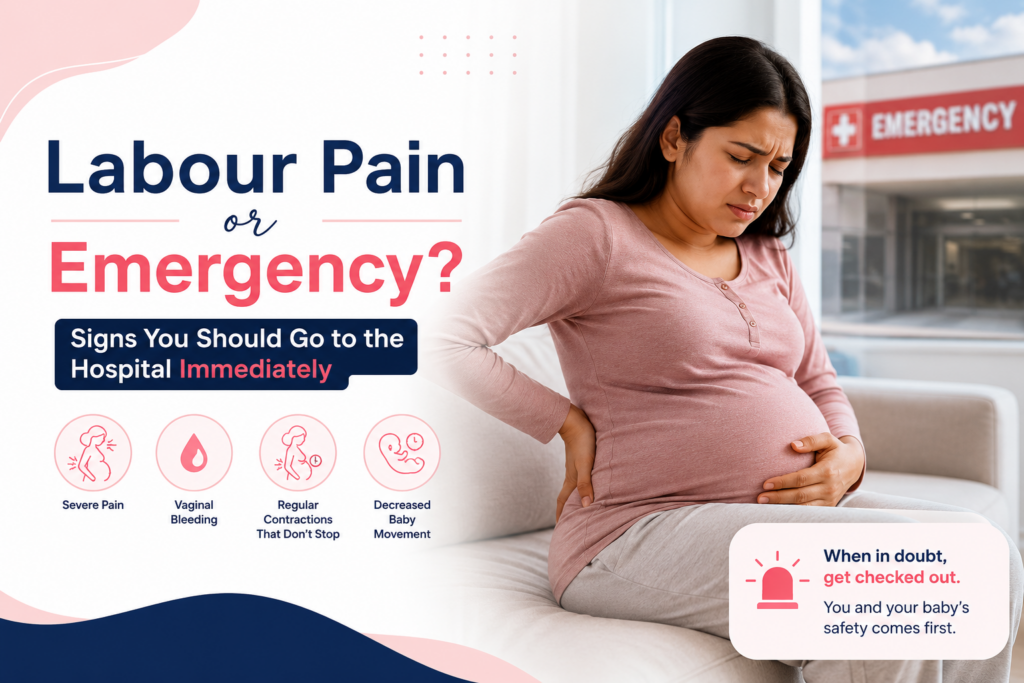
Introduction
As the due date gets closer, many pregnant women start wondering whether the pain they are feeling is normal labour or a sign of an emergency. Some discomfort during pregnancy is expected, but certain symptoms should never be ignored. Knowing when to go to the hospital can help protect both the mother and baby from complications.
Women experiencing a high risk pregnancy in Hadapsar often need extra monitoring during the final weeks of pregnancy. Timely medical attention during labour plays an important role in ensuring a safer delivery and reducing risks. Understanding the warning signs early helps expecting mothers feel more prepared and confident during childbirth.
Understanding the Difference Between Labour Pain and Emergency Symptoms
Labour pain usually develops gradually and becomes stronger with time. Contractions may start at regular intervals and slowly increase in intensity. However, not every pain during pregnancy means labour has started.
Certain symptoms may indicate complications that require immediate medical care. Ignoring these signs can increase risks for both mother and baby, especially in women with pregnancy-related complications.
Women under the care of the Best High Risk Pregnancy Doctor in Hadapsar are often advised to closely monitor symptoms during the last trimester and maintain regular follow-ups.
Common Signs of Normal Labour
Understanding normal labour signs helps reduce confusion and unnecessary panic.
Regular Contractions
True labour contractions:
- Become stronger over time
- Occur at regular intervals
- Continue even while resting
- May spread from the back to the front abdomen
Lower Back Pain
Some women experience pressure or pain in the lower back as labour progresses.
Water Breaking
The release of amniotic fluid may happen before or during labour. It may feel like a sudden gush or slow leaking of fluid.
Cervical Changes
As labour progresses, the cervix starts dilating and preparing for delivery.
Although these signs are generally normal, women with a high risk pregnancy in Hadapsar should still stay in touch with their doctor once labour symptoms begin.
Warning Signs That Need Immediate Hospital Care
Certain symptoms should never be ignored during pregnancy or labour.
Heavy Vaginal Bleeding
Light spotting can sometimes occur, but heavy bleeding may indicate a serious complication such as placental problems or premature labour.
Immediate medical attention is necessary if bleeding is:
- bright red
- heavy
- associated with pain or dizziness
Reduced Baby Movement
A decrease in fetal movement can sometimes signal distress.
If the baby’s movements suddenly reduce or stop:
- do not wait for symptoms to improve
- contact your doctor immediately
- visit the hospital without delay
Women monitored by the Best High Risk Obstetrics Doctor Near Hadapsar, Pune are usually advised to track fetal movements daily during the final weeks of pregnancy.
Severe Abdominal Pain
Mild cramps can occur during pregnancy, but severe or continuous abdominal pain may indicate complications that need urgent evaluation.
Pain associated with:
- fever
- bleeding
- vomiting
- fainting
should never be ignored.
High Fever During Pregnancy
Fever during labour or pregnancy may indicate infection. Untreated infections can affect both mother and baby.
Seek immediate medical care if fever is accompanied by:
- chills
- weakness
- body pain
- breathing difficulty
Sudden Swelling or Severe Headache
Swelling in the hands, feet, or face along with headache or blurred vision may indicate high blood pressure complications during pregnancy.
This can become dangerous if not treated on time.
Women with a high risk pregnancy in Hadapsar should remain alert to these symptoms throughout pregnancy.
Water Breaking With Green or Brown Fluid
Amniotic fluid should normally appear clear.
If the fluid looks green, brown, or has a foul smell, it may indicate meconium or infection, which requires immediate hospital care.
False Labour vs True Labour
Many women experience false labour contractions before actual labour begins.
False Labour Signs
- Irregular contractions
- Pain improves with rest
- No cervical changes
- Contractions do not become stronger
True Labour Signs
- Regular contractions
- Increasing pain intensity
- Shorter gaps between contractions
- Progressive cervical dilation
Understanding this difference helps women avoid unnecessary stress while still remaining alert to emergencies.
Why Timely Hospital Care Matters
Delaying hospital care during labour can increase complications in some pregnancies.
Timely medical support helps doctors:
- monitor the baby’s heartbeat
- assess labour progress
- manage complications early
- ensure safer maternal care
Women often choose the Best Maternity Hospital in Pune because emergency support, labour monitoring, and specialized pregnancy care are available under proper medical supervision.
Special Attention for High-Risk Pregnancies
Some pregnancies need closer monitoring due to conditions such as:
- diabetes
- thyroid disorders
- high blood pressure
- twin pregnancy
- previous pregnancy complications
- age-related risks
Women with these conditions should never ignore warning signs during labour.
The guidance of the Best High Risk Pregnancy Doctor in Hadapsar helps expecting mothers understand when symptoms require immediate medical attention.
How to Prepare Before Labour Starts
Preparation helps reduce anxiety during the final stage of pregnancy.
Keep Important Things Ready
- hospital documents
- medical reports
- scan reports
- emergency contact numbers
Know Your Hospital Route
Plan transportation in advance, especially during late-night emergencies.
Attend Regular Check-Ups
Routine pregnancy monitoring helps doctors identify possible risks early.
Women with a high risk pregnancy in Hadapsar should avoid missing scheduled appointments during the last trimester.
Emotional Support During Labour
Labour can feel physically and emotionally overwhelming, especially for first-time mothers. Support from family members and proper communication with the doctor helps women feel calmer and more confident.
Understanding labour signs early reduces fear and helps women make timely decisions without panic.
Conclusion
Knowing the difference between normal labour pain and emergency warning signs is important for every expecting mother. Symptoms such as heavy bleeding, severe pain, reduced baby movement, fever, or abnormal fluid leakage should never be ignored.
Women experiencing a high risk pregnancy in Hadapsar should remain especially careful during the final weeks of pregnancy and seek immediate medical attention whenever symptoms appear unusual.
Timely monitoring, regular check-ups, and proper medical guidance help improve safety for both mother and baby. Early action during labour emergencies can make a significant difference in ensuring a safer childbirth experience.
FAQs
When should I go to the hospital during labour?
You should go to the hospital if contractions become regular, your water breaks, or you notice warning signs such as bleeding, severe pain, or reduced baby movement.
How do I know if labour pain is real?
True labour contractions become stronger, regular, and closer together over time, unlike false labour pain which is irregular and may improve with rest.
Is reduced baby movement during pregnancy dangerous?
Yes. Reduced fetal movement may indicate distress and should be evaluated immediately by a doctor.
Can high-risk pregnancies require early hospital admission?
Yes. Some women with high-risk pregnancies may need earlier monitoring or hospital observation depending on their condition.
Why is timely medical care important during labour?
Early medical attention helps identify complications quickly and supports safer care for both mother and baby.
